August 11, 2026
A thoughtfully planned outdoor space is more than a collection of plants and decorative features. Every element within a yard should work together to create a landscape that is both visually appealing and highly functional. Successful outdoor projects require careful planning to ensure that plants, hardscapes, and lighting complement one another instead of competing for attention. Professional planning also considers how the landscape will mature over time and adapt to changing seasons. From selecting the right materials to arranging plant groupings, every decision contributes to the overall appearance of the property. Homeowners often discover that a cohesive landscape design improves not only curb appeal but also the usability of their outdoor living areas. By understanding how these different components interact, it becomes easier to appreciate the value of professional planning. Here are several ways landscapers create balanced outdoor environments that remain attractive and practical for years to come.
Create Harmony Through Thoughtful Plant Selection
Plants provide color, texture, movement, and seasonal interest throughout the landscape. Selecting the right combination requires more than choosing attractive flowers or shrubs. Landscapers consider factors such as sunlight, soil conditions, water requirements, mature growth size, and maintenance expectations before recommending specific plant varieties. Mixing trees, shrubs, ornamental grasses, and flowering plants creates visual depth while preventing the landscape from appearing flat or repetitive. Layering vegetation also helps establish natural transitions between different outdoor spaces. Native and climate-appropriate plants often contribute to healthier landscapes because they adapt well to local growing conditions. A carefully planned landscape design uses plants to frame focal points while maintaining balance throughout the property. Proper plant selection ensures long-term beauty without creating unnecessary maintenance challenges.
Incorporate Hardscapes With Purpose
Hardscape features provide structure and functionality that complement the natural elements of a landscape. Patios, walkways, retaining walls, steps, and seating areas help organize outdoor spaces while improving accessibility. Rather than overwhelming the landscape, these features should blend naturally with surrounding plants and architectural elements. Material selection plays an important role in creating visual consistency across the property. Stone, pavers, brick, and concrete each offer different appearances that can support the overall style of the home. Proper spacing and placement help hardscape features guide movement throughout the yard while creating comfortable gathering areas. A successful landscape design integrates hardscapes as permanent features that enhance both beauty and usability. Thoughtful planning allows these structures to remain attractive and functional for many years.
Enhance Outdoor Spaces With Strategic Lighting
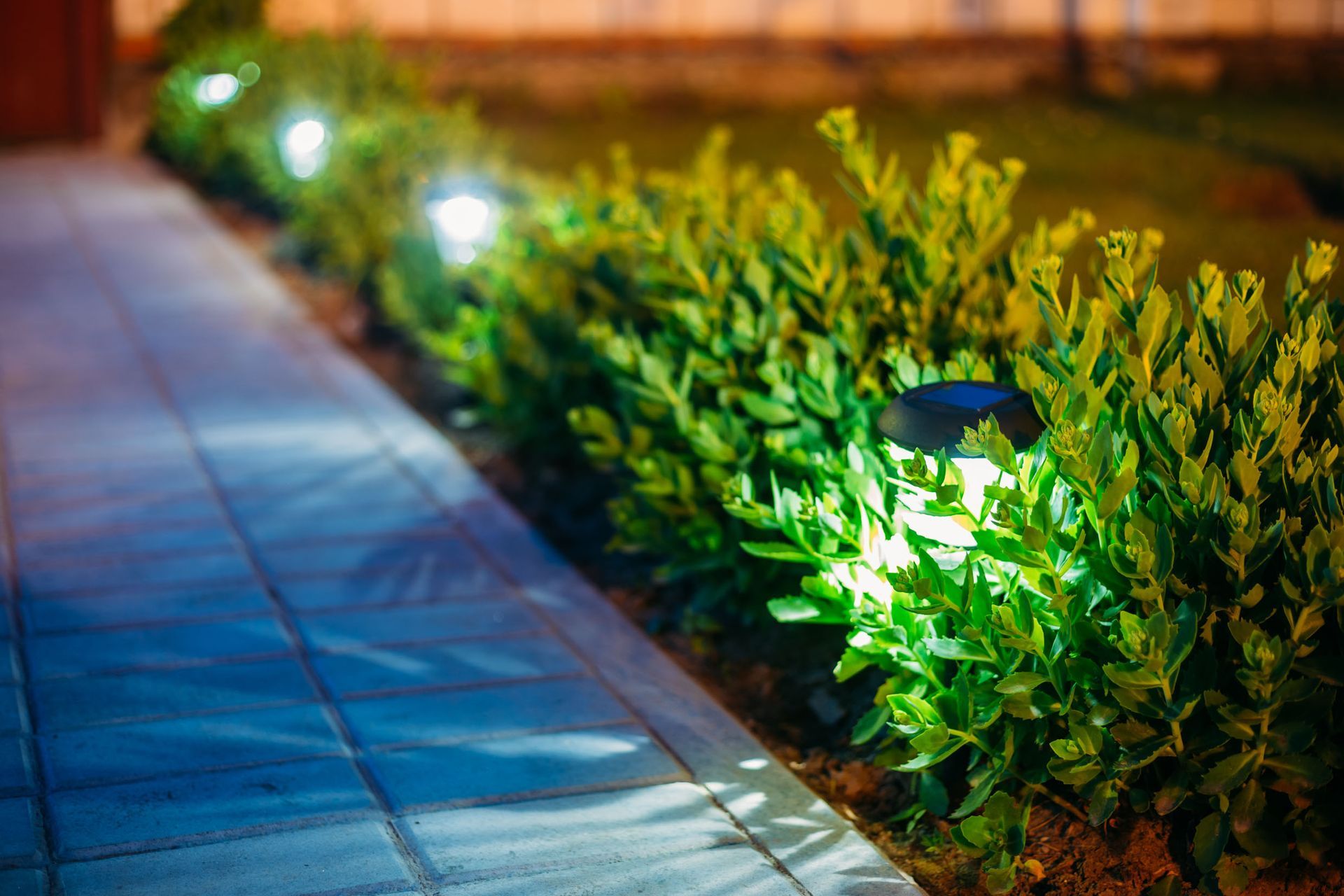
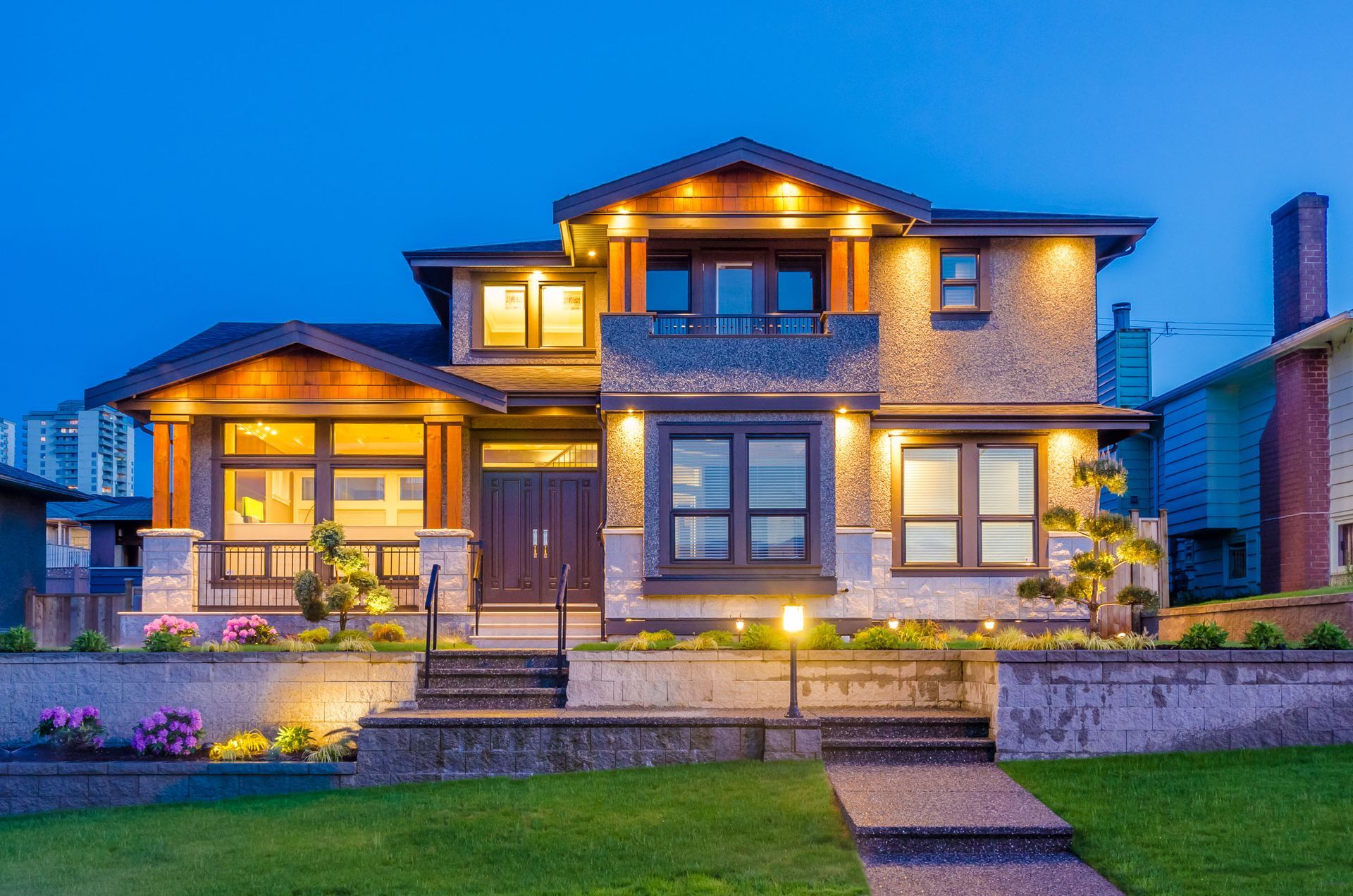
Landscape lighting serves both practical and decorative purposes after the sun goes down. Properly placed fixtures improve visibility along walkways, driveways, and entry points while increasing safety throughout the property. Lighting also highlights architectural details, specimen trees, gardens, and outdoor living areas that might otherwise disappear at night. Rather than placing fixtures everywhere, professionals focus on creating subtle layers of illumination that enhance the overall appearance. Soft lighting often produces a more inviting atmosphere than excessively bright installations. Energy-efficient lighting options can provide long-lasting performance while minimizing operating costs. Integrating lighting into a complete landscape design allows outdoor spaces to remain functional and visually appealing after dark. Carefully positioned lighting creates depth and highlights important landscape features without overpowering the natural setting.
Balance Color and Texture Throughout the Yard
An attractive landscape depends on achieving visual balance through color, texture, and form. Landscapers combine plants with varying leaf shapes, flowering seasons, and growth habits to create year-round interest. Hardscape materials also contribute texture through their unique finishes and patterns. Repeating certain colors and materials throughout the property helps unify different sections of the landscape. Contrasting textures prevent outdoor spaces from appearing overly uniform while maintaining a cohesive appearance. Seasonal changes are also considered so the landscape continues looking attractive throughout the year. According to Virginia State University, sophisticated landscape planning has the potential to increase property value by as much as 12.7%, demonstrating the long-term benefits of thoughtful outdoor improvements. Careful coordination of colors and textures helps create outdoor spaces that remain visually balanced in every season.
Design Outdoor Spaces for Everyday Living
A successful landscape should support the way homeowners use their property every day. Some families prioritize outdoor dining areas, while others may prefer open lawns, fire pit spaces, or quiet garden retreats. Landscapers evaluate how different spaces will function before determining where features should be located. Proper circulation between patios, walkways, gardens, and entrances improves convenience while encouraging natural movement throughout the yard. Functional planning also considers privacy, shade, seating, and accessibility for guests of all ages. Outdoor living spaces should feel connected rather than isolated from one another. A carefully developed landscape design allows homeowners to enjoy multiple activities without sacrificing visual harmony. Practical planning transforms outdoor areas into comfortable extensions of the home.
Consider Seasonal Growth and Maturity
One of the most important aspects of professional landscaping is planning for how the property will look years after installation. Newly planted trees and shrubs often appear much smaller than their mature size, making spacing decisions critical. Overcrowding can reduce plant health while creating maintenance challenges as vegetation continues to grow. Landscapers account for future height, width, and root development when selecting planting locations. Seasonal changes are also considered to maintain year-round interest through flowering cycles, foliage color, and evergreen structure. Proper planning helps prevent plants from interfering with walkways, buildings, or utilities as they mature. Long-term thinking allows the landscape to age gracefully without requiring unnecessary modifications. Planning for future growth ensures lasting beauty and healthier outdoor environments.
Support Drainage and Site Conditions
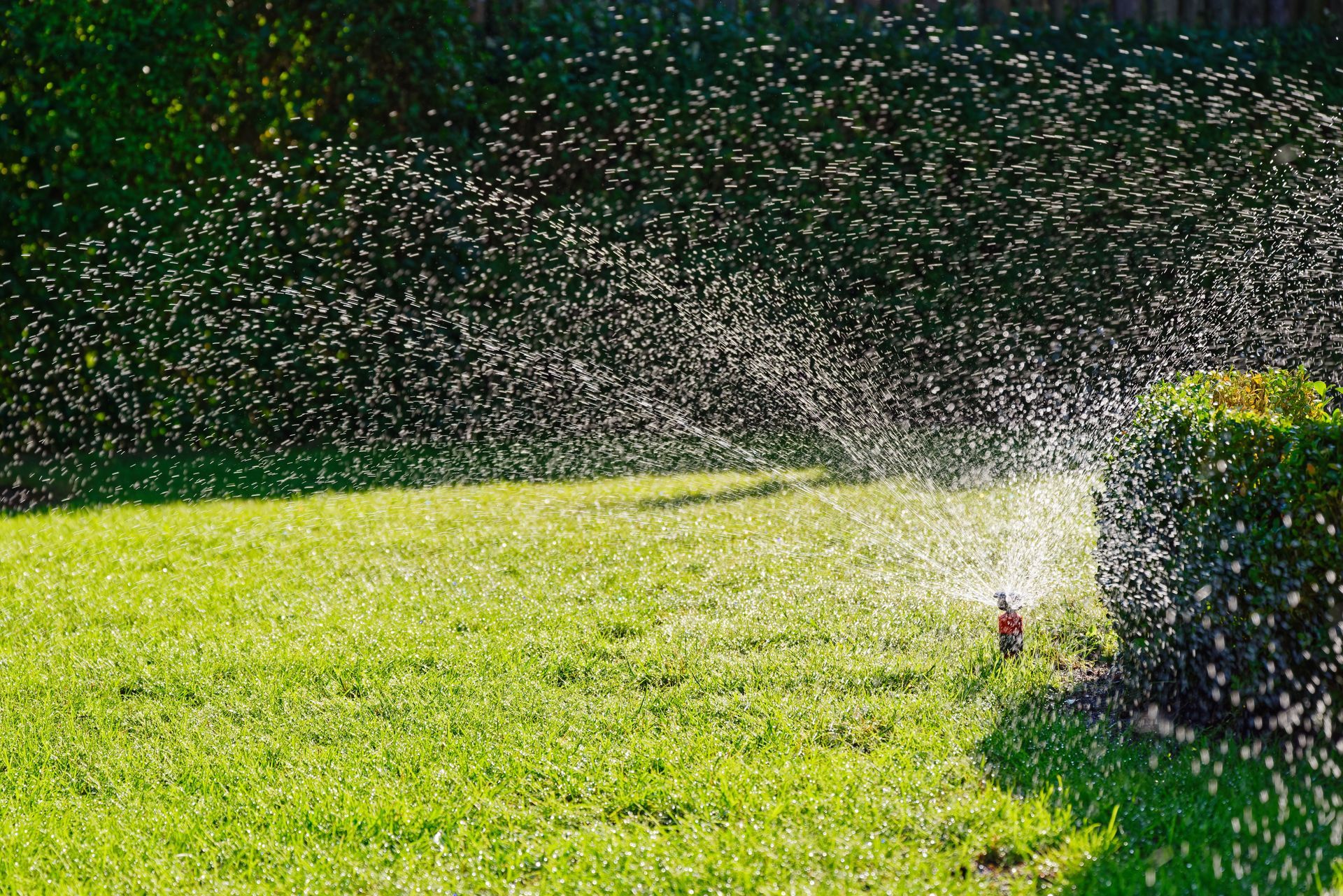
Beautiful landscapes also need to function effectively during changing weather conditions. Proper drainage prevents water from collecting around foundations, patios, and planting beds while protecting the health of vegetation. Landscapers evaluate grading, soil composition, and natural water flow before beginning installation. Adjustments may include drainage improvements, grading modifications, or carefully positioned planting areas that help manage runoff naturally. Hardscape features are also installed with proper slopes to direct water away from structures. Addressing drainage early helps reduce erosion and protects long-term landscape investments. A professionally planned landscape design considers both appearance and performance to create outdoor spaces that remain durable through every season. Effective water management contributes to healthier plants and more stable outdoor environments.
Maintain Long-Term Landscape Balance
Even the most carefully designed landscape requires ongoing maintenance to preserve its original appearance. Trees and shrubs need periodic pruning, gardens benefit from seasonal care, and lighting systems should be inspected to maintain proper operation. Hardscape surfaces may also require occasional cleaning or minor repairs to preserve their appearance. Routine maintenance allows landscapers to identify developing issues before they become larger concerns. As plants mature, adjustments may be needed to maintain visual balance and prevent overcrowding. Seasonal updates also keep outdoor spaces looking fresh throughout the year. Consistent care protects the investment made in professional landscaping while supporting lasting curb appeal. Maintaining balance over time allows the landscape to continue enhancing the property's beauty and functionality.
Creating a balanced outdoor environment requires careful planning, quality craftsmanship, and attention to every detail. Larsen's Landscape & Construction provides professional landscaping services that combine plants, hardscapes, and lighting into cohesive outdoor spaces designed for long-term beauty and functionality. Contact us today to learn how professional landscaping can help transform your property into an attractive and enjoyable outdoor living space.