March 12, 2026
A lush, green lawn can completely transform your property, adding beauty, value, and curb appeal. Installing sod is one of the most efficient ways to achieve a thriving lawn quickly, offering instant coverage, fewer weeds, and improved soil structure. However, to maintain its health and appearance, sod requires consistent and strategic care. Whether you recently invested in professional sod installation or are planning your lawn upgrade, understanding how to nurture your turf properly is key. Below, we explore three smart strategies that will help your sod flourish while maximizing the long-term value of your outdoor space. These tips are informed by industry standards and advice from experienced landscapers, making them ideal for homeowners seeking to create a resilient and vibrant lawn.
1. Optimize Watering Practices for a Healthy Lawn
Establish a Consistent Watering Schedule
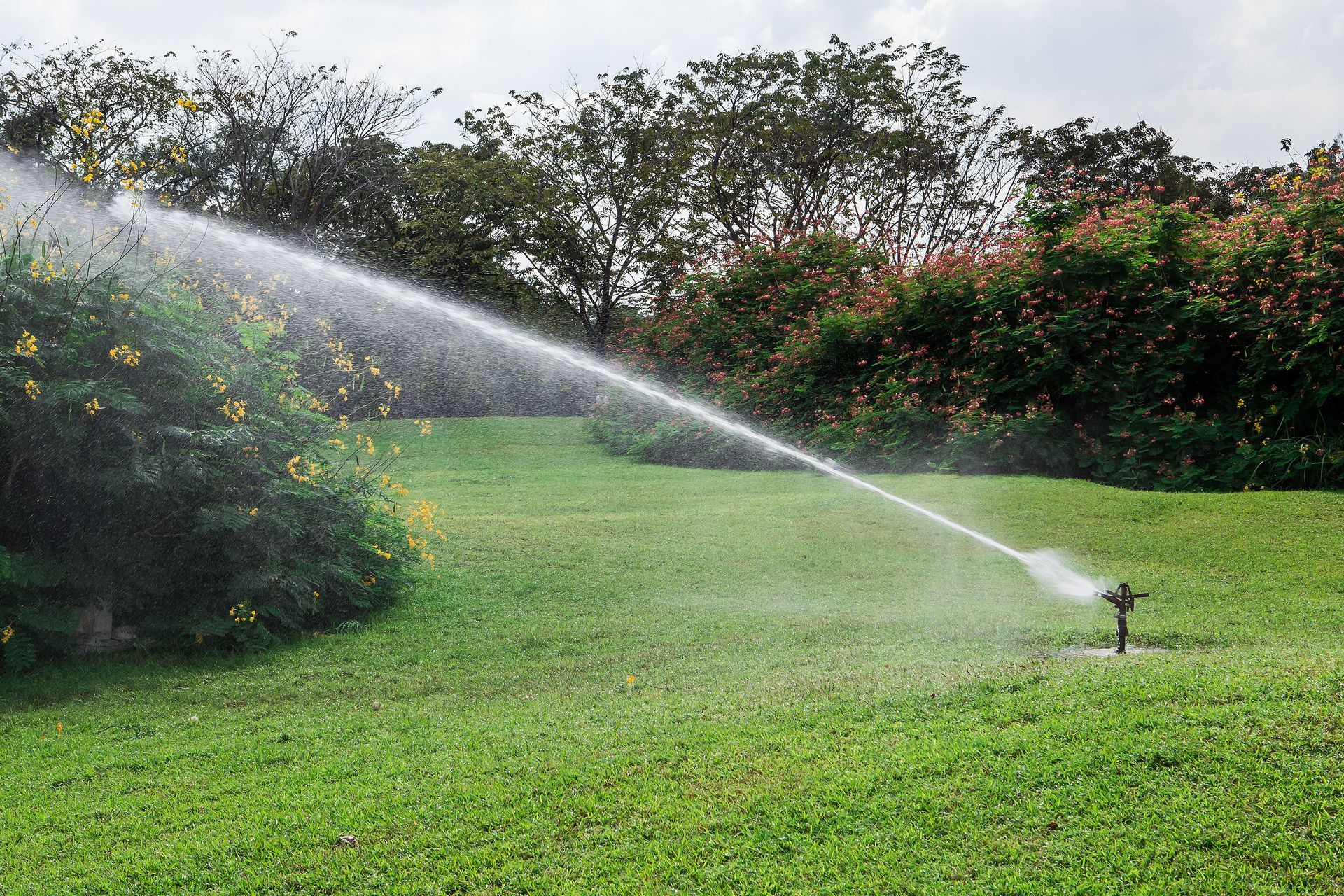
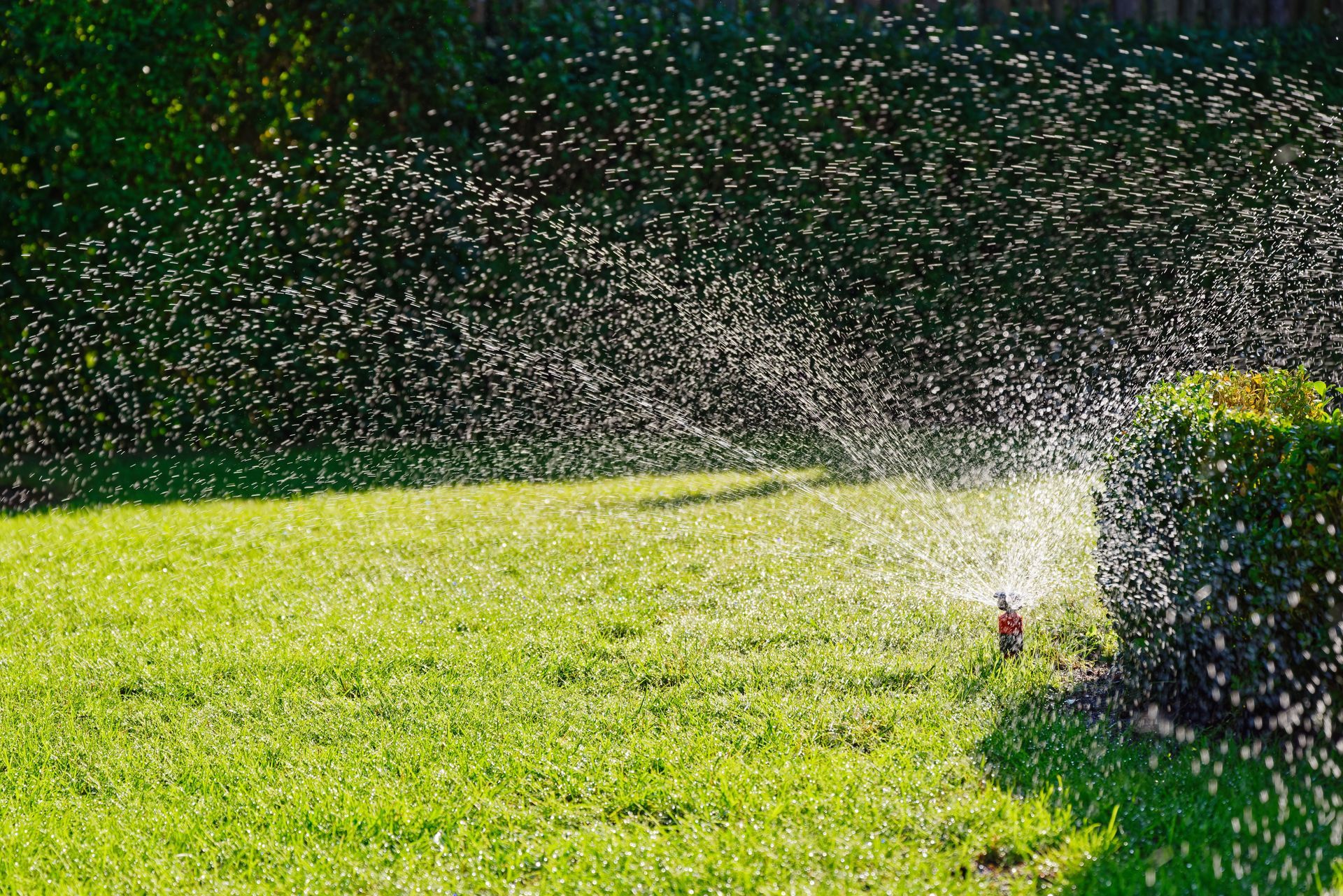
Watering your sod correctly is critical for strong root development. Newly installed sod relies on frequent, shallow watering for the first few weeks to encourage roots to grow deep into the soil. As your sod begins to establish, gradually transition to less frequent but deeper watering sessions. This approach helps the turf develop resilience to drought and reduces water runoff, improving overall efficiency. Homeowners often underestimate how crucial this step is, and consulting a local irrigation company can ensure your system delivers water evenly and at optimal intervals.
Water at the Right Time of Day
Timing is an often-overlooked factor in effective watering. The ideal time to water is early in the morning, before the sun reaches its peak. Morning watering minimizes evaporation and allows the grass blades to dry during the day, reducing the risk of fungal diseases. Avoid watering in the late evening, as prolonged leaf wetness overnight can promote mildew and other turf problems. A local irrigation company can adjust your sprinklers to align with the optimal watering schedule, ensuring your lawn receives the best care with minimal waste.
Adjust for Seasonal Conditions
Different seasons bring varying water requirements. During hot summer months, sod may need more frequent irrigation due to increased evaporation and heat stress. Conversely, in cooler fall or spring periods, your lawn may require less water. A local irrigation company can help fine-tune your system seasonally, optimizing water use and promoting steady growth. Paying attention to seasonal changes prevents over-watering and supports long-term lawn health.
Inspect Irrigation Systems Regularly
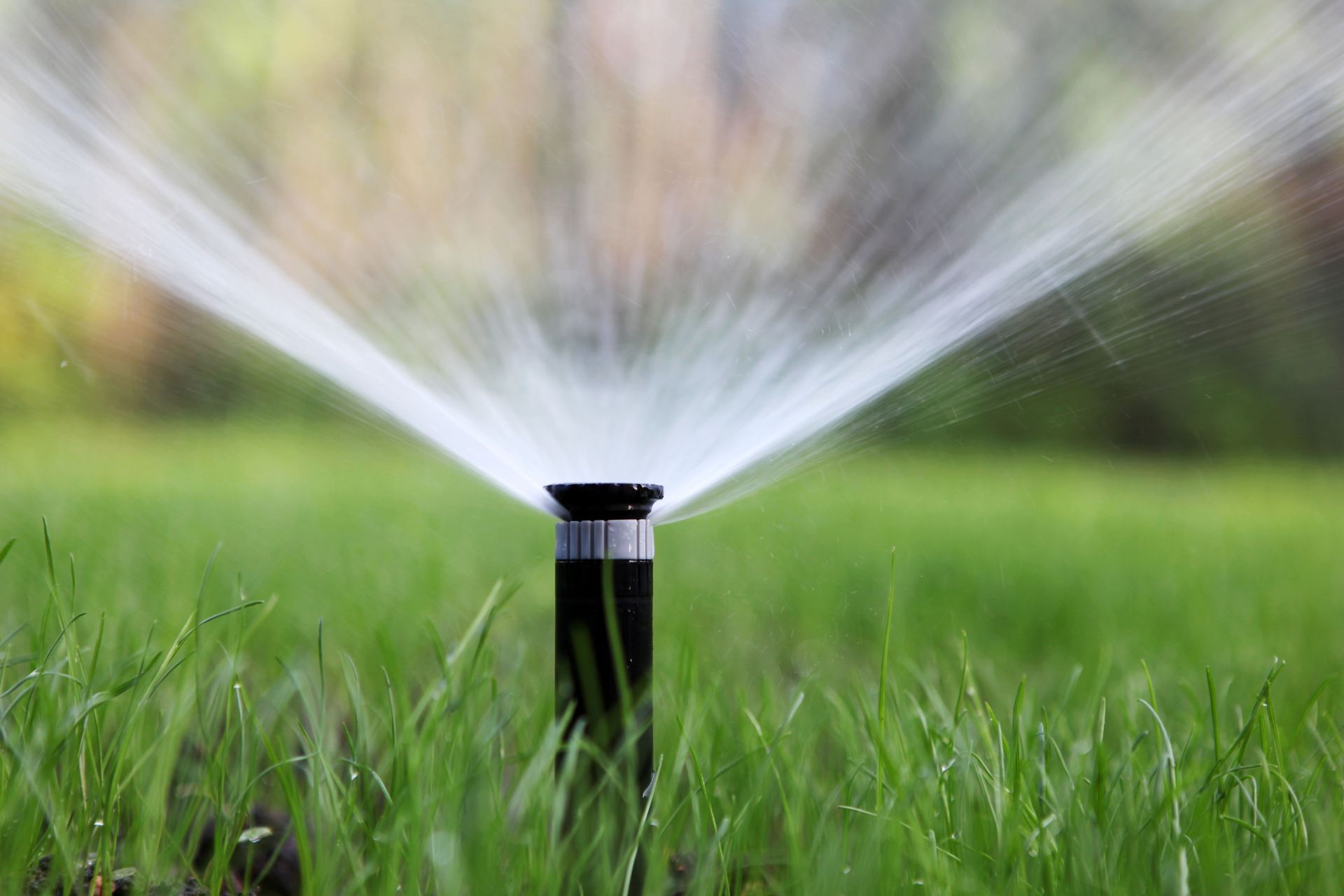
Even the most sophisticated irrigation systems can develop issues such as clogged nozzles, misaligned sprinkler heads, or leaks. Routine inspections ensure your sod receives uniform water coverage, preventing dry spots or waterlogged areas. Scheduling regular maintenance with a local irrigation company can identify and correct problems before they impact your lawn's health.
Consider Soil Moisture Levels
Beyond scheduled watering, monitoring soil moisture is essential. Sod roots thrive when the soil is consistently moist but not saturated. Simple tools like moisture meters or even manual soil checks can help you determine if your lawn is receiving adequate hydration. Adjusting your irrigation practices based on actual soil conditions ensures your turf develops deep, robust roots that sustain its lush appearance.
2. Maintain Fertilization and Nutrient Balance
Follow a Regular Fertilization Schedule
Nutrient management is key to healthy sod growth. According to Forbes, lawns should be fertilized every six to eight weeks during prime growing seasons. Reframed, this means applying fertilizer approximately every 1.5 months when your turf is actively growing to maintain vibrant color and strong roots. Consistent fertilization provides essential nutrients that support photosynthesis, disease resistance, and overall resilience.
Choose the Right Fertilizer Type
Different fertilizers offer varying nutrient profiles. A balanced fertilizer containing nitrogen, phosphorus, and potassium is ideal for most turf types, promoting green growth, strong root development, and improved stress tolerance. Some fertilizers also include nutrients such as iron, magnesium, and calcium, which help correct soil deficiencies and enhance color. Consulting with a local irrigation company or landscaping professional can guide you in selecting a formula suited to your soil and grass type.
Avoid Over-Fertilizing
While nutrients are essential, over-fertilization can damage your sod. Excessive fertilizer can burn grass blades, disrupt soil microbe activity, and cause runoff into local waterways. Always follow manufacturer guidelines and adjust application rates based on seasonal growth patterns. A local irrigation company may also provide integrated fertilization services to ensure even and precise distribution.
Incorporate Organic Amendments
Adding organic matter such as compost or humus can improve soil structure, water retention, and microbial activity. Organic amendments enhance long-term turf health while reducing reliance on synthetic fertilizers. These natural supplements encourage stronger roots and more resilient grass, creating a healthier ecosystem in your lawn.
Monitor for Nutrient Deficiencies
Regular observation is critical to identify early signs of nutrient deficiencies. Yellowing grass may indicate low nitrogen, while thin patches might suggest insufficient phosphorus or potassium. Early detection allows timely intervention, preserving the visual appeal and structural integrity of your sod.
3. Promote Proper Lawn Care Practices
Mow with Precision
Mowing is more than a routine chore; it's an essential component of sod care. Keeping grass at the recommended height reduces stress, encourages dense growth, and minimizes weed encroachment. Newly installed sod should not be mowed until roots have fully established, typically within two to three weeks. After that, mowing should remove no more than one-third of the blade height at a time to maintain vigor.
Reduce Foot Traffic
Sod requires time to anchor properly to the soil. Limiting heavy foot traffic during the initial rooting phase prevents dislodging and uneven growth. Use temporary barriers or designate walking paths to protect your new lawn, especially during wet conditions when soil is more prone to compaction.
Aerate for Optimal Root Health
Aeration improves soil oxygenation, reduces compaction, and allows water and nutrients to reach roots more effectively. Scheduling aeration periodically, particularly in high-traffic areas, promotes deep root growth and a more resilient lawn. A local irrigation company can often guide the integration of aeration with watering and fertilization schedules for maximum benefit.
Control Weeds and Pests
Vigilance against weeds and pests is essential to maintaining a healthy sod lawn. Early intervention prevents invasive species from competing with your grass for nutrients and water. Using integrated pest management strategies minimizes chemical use while effectively protecting your lawn.
Edge and Trim for Aesthetic Appeal
Consistent edging and trimming along walkways, flower beds, and driveways enhances both appearance and turf health. Removing encroaching grass prevents it from crowding other plants and helps maintain a clean, manicured look. Regular attention to lawn edges signals overall care and reinforces your commitment to maintaining a lush property.
Caring for your property's sod requires attention to watering, fertilization, and routine lawn practices. By establishing a consistent irrigation schedule, providing nutrients at regular intervals, and maintaining proper mowing and foot traffic habits, you set your lawn up for long-term success. Leveraging the expertise of a local irrigation company can simplify these tasks, ensuring that water and nutrients are delivered efficiently and your lawn thrives under optimal conditions. Investing in thoughtful sod care not only enhances the beauty and value of your property but also creates a healthy outdoor space for years of enjoyment. A strategic approach to sod maintenance ensures your lawn remains lush, green, and resilient, making your property a source of pride and a welcoming environment for family, friends, and neighbors alike. For more information on installing and maintaining sod, contact Larsen's Landscape & Construction!