December 12, 2025
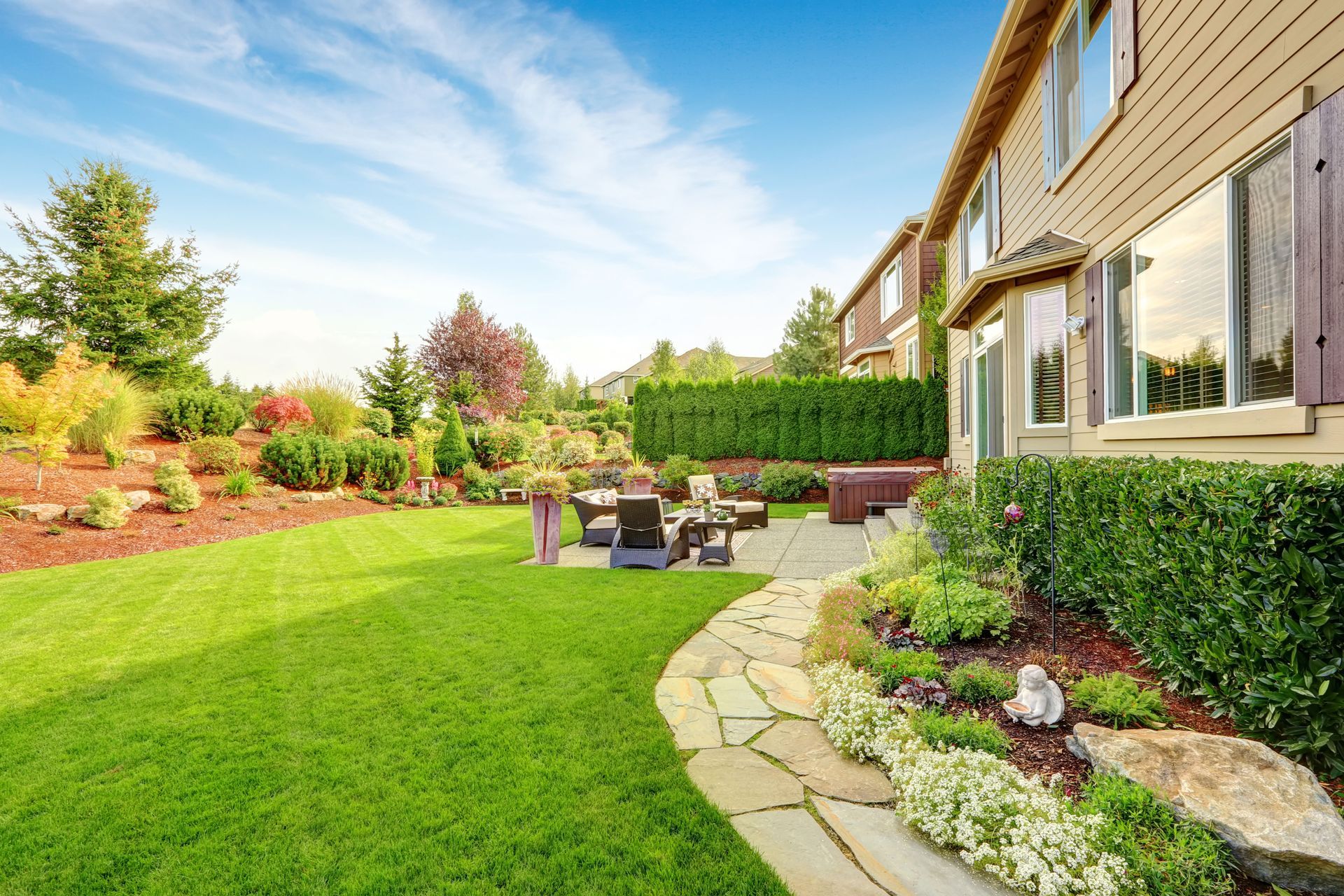
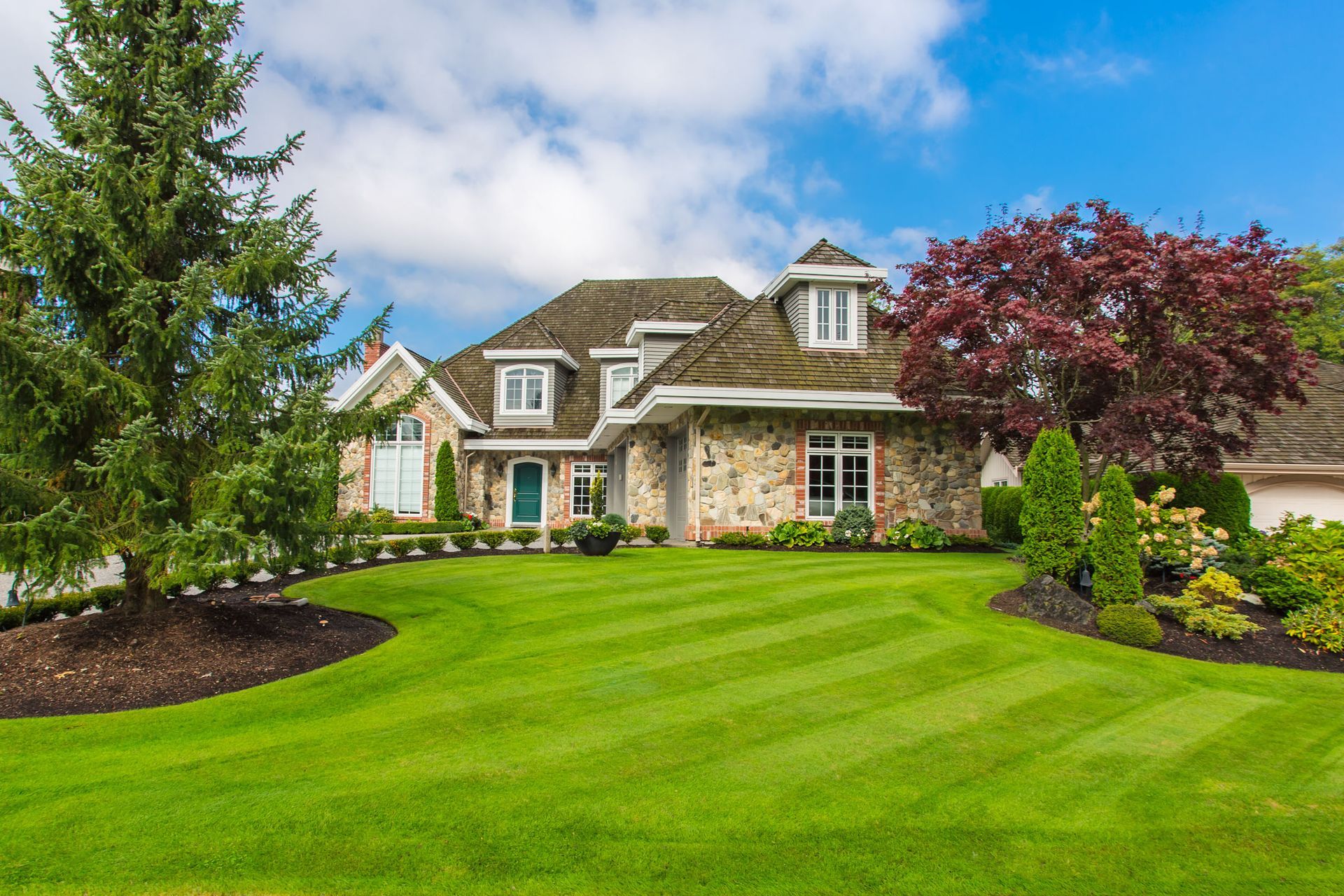
Whether you're looking to refresh a small garden or reimagine a sprawling yard, the possibilities for enhancing your outdoor environment are nearly endless. Let's take a look at a few creative landscape design concepts and practical tips that inspire a rejuvenation of your garden, yard, or outdoor area, helping you craft a space that's both visually appealing and perfectly suited to your lifestyle.
1. Optimize Your Garden Layout
Understanding Space Utilization
Understanding how to effectively utilize space in your garden is crucial for creating a harmonious outdoor environment. Start by assessing the size and shape of your garden, thinking about how you want to use it. Consider aspects like where the sun hits your garden at different times of day and how that will affect plant growth. Being aware of your specific garden's layout will allow you to make the most of every square foot. Remember that a well-utilized space boosts both functionality and aesthetic appeal.
Effective Zoning Techniques
Creating different zones for various activities can bring structure and purpose to your landscape design. Decide on separate areas for dining, relaxation, play, or gardening. Think about using different materials or plant varieties to signify different zones, such as grass for play areas and paving for dining zones. Employing a variety of textures and heights can also help define distinct areas. This deliberate zoning ensures your space serves all desired purposes without feeling crowded.
Incorporating Structures and Pathways
Structures and pathways play a vital role in guiding the flow of movement within a garden. Integrate features such as pergolas or arbors to provide vertical interest, and lead from one area to another with winding paths. Use materials that complement your home's exterior and blend with natural elements, such as gravel, stone, or brick. These additions not only enhance navigability but also add a layer of visual intrigue. With thoughtful planning, structures and pathways can transform a standard garden into a captivating landscape.
Designing for Accessibility
Accessibility design should not be overlooked, as it ensures everyone can enjoy your outdoor space. Consider features such as wide paths, ramps, or non-slip surfaces, particularly for homes with small children, elderly family members, or guests with disabilities. Raised garden beds can also be a great addition, allowing easier gardening without the need to bend down. Moreover, integrating accessible design can subtly improve the flow of your entire landscape. Thoughtful action in design ensures your space is functional and inclusive.
2. Embrace Sustainable Practices
Introduction to Eco-friendly Landscaping
Eco-friendly landscape design is about applying practices that benefit both the environment and your garden. Avoiding harmful pesticides and opting for natural alternatives contributes to a healthier ecosystem. It's crucial to think about resource conservation, from water to energy use, in your garden planning. Incorporating solar-powered lights and installing rainwater harvesting systems are great options. Embracing sustainability ensures a thriving garden that also supports wildlife and reduces ecological impact.
Selecting Native Plants
Using native plants in your landscaping offers multiple benefits, from maintenance to environmental impact. Native plants are adapted to local conditions, meaning they require less water and fewer fertilizers and pesticides. This results in less work and lower costs for you while supporting local wildlife. Native plants also thrive in local weather conditions, ensuring better growth and longevity. By selecting these plants, you contribute to preserving your local ecosystem.
Implementing Water Conservation Techniques
Water conservation is a key component of sustainable landscaping. Consider xeriscaping, a practice where drought-tolerant plants are used alongside efficient irrigation systems. Rain barrels and drip irrigation systems help to minimize water waste, directing water right where it's needed. Soil improvement through organic matter can enhance moisture retention as well. By adopting these practices, your garden will be both beautiful and environmentally responsible.
Encouraging Wildlife and Biodiversity
Encouraging biodiversity in your garden supports a healthy ecosystem. Attracting beneficial insects, birds, and other wildlife can improve pollination and pest control. Create habitats by installing birdhouses or planting a variety of vegetation that offers food and shelter. Bees, butterflies, and birds are not only beautiful, but they also play a critical role in maintaining the ecological balance. By inviting diverse species into your garden, you're fostering a dynamic and sustainable environment.
3. Focus on Seasonal Interest
Selecting Year-round Plants
A garden with year-round interest keeps your landscape design vibrant throughout every season. When selecting plants, consider varieties that provide aesthetic appeal across different times of the year, such as those with distinct blooms, textures, or foliage. Using evergreens, for example, ensures greenery during the winter months. Incorporating seasonal flowers can offer a constant change of color and mood. This thoughtful plant choice results in a dynamic garden that's interesting all year round.
Planning for Seasonal Blooms
Planning for seasonal blooms necessitates understanding plant bloom cycles. By selecting a mix of early, mid, and late-blooming varieties, you can maintain vibrancy throughout each season. Bulbs like daffodils announce spring, while gladiolus can provide summer color, and asters shine in the fall. This successive blooming keeps your garden continuously lively and engaging. Strategic planning allows for bursts of color, bringing your garden to life during every season.
Incorporating Seasonal Decor
Seasonal decor can be used to enhance the inherent beauty of a garden. Think about adorning your outdoor space with decorations that reflect seasonal festivities or natural changes. In winter, twinkling lights or wreaths lend a festive touch, while lanterns or pumpkins can highlight fall. This practice not only keeps your garden fresh and inviting but also extends indoor seasonality into the outdoor realm. Seasonal decor contributes to creating a sanctuary that changes with the times.
Adjusting Maintenance Schedules by Season
Adapting maintenance schedules to align with seasonal needs ensures a thriving garden year-round. During spring and summer, focus on tasks like planting, pruning, and pest control, while autumn emphasizes mulching and cleanup. Winter may require protecting delicate plants from frost. Understanding these patterns helps you prioritize tasks and spread labor throughout the year. This balanced approach keeps your landscape healthy and manageable.
4. Enhance Outdoor Living Spaces
Design Outdoor Kitchens and Dining Areas
Outdoor kitchens and dining areas extend living spaces into the garden, providing a venue for family gatherings and entertaining guests. Designing these areas involves considering functionality alongside aesthetics, like incorporating durable materials that can withstand weather variations. Built-in grills, storage solutions, and ample seating enhance usability. According to This Old House, 75% of homebuyers stated in a survey that they would prioritize homes that had outdoor living spaces over those lacking this feature, underscoring their appeal and value.
Comfortable Outdoor Seating Arrangements
Well-designed seating arrangements transform outdoor areas into inviting retreats. Choose durable furniture that can endure weather conditions, offering cushions or throws for added warmth and comfort. Arrange seating to make dialogue and relaxation easy, providing a welcoming environment. Loungers and hammocks provide further comfort options for rest and leisure. Creating cozy seating encourages more frequent use of the outdoor space, maximizing enjoyment.
Installing Fire Features for Ambiance
Fire features such as fire pits or outdoor fireplaces imbue your landscape design with warmth and ambiance. Beyond function, they act as a central point for gathering and socializing, creating a cozy, inviting atmosphere. Materials like stone or metal can integrate seamlessly with various design styles, enhancing a garden's overall aesthetic. Consideration of safety and placement is essential for successful installation. A well-designed fire feature promotes relaxation and extends outdoor enjoyment into cooler months.
Adding Water Features for Serenity
Water features like ponds, fountains, or streams add tranquility and interest to any landscape. The sound of flowing water creates a soothing atmosphere, masking noise pollution and enhancing relaxation. Additionally, water features attract wildlife, bringing ecological benefits to your garden. Design elements range from contemporary fountains to more naturalistic ponds or water gardens. Thoughtful integration of water features enhances both the aesthetic and sensory aspects of your outdoor space.
By implementing these innovative landscape design ideas, you can significantly enhance the beauty and functionality of your outdoor space. Remember that creativity, sustainability, and smart planning are key to creating a landscape that is both enjoyable and sustainable for years to come. For more ideas, reach out to the experts at Larsen's Landscape & Construction today!